Music is in our DNA
We believe music is a human right.
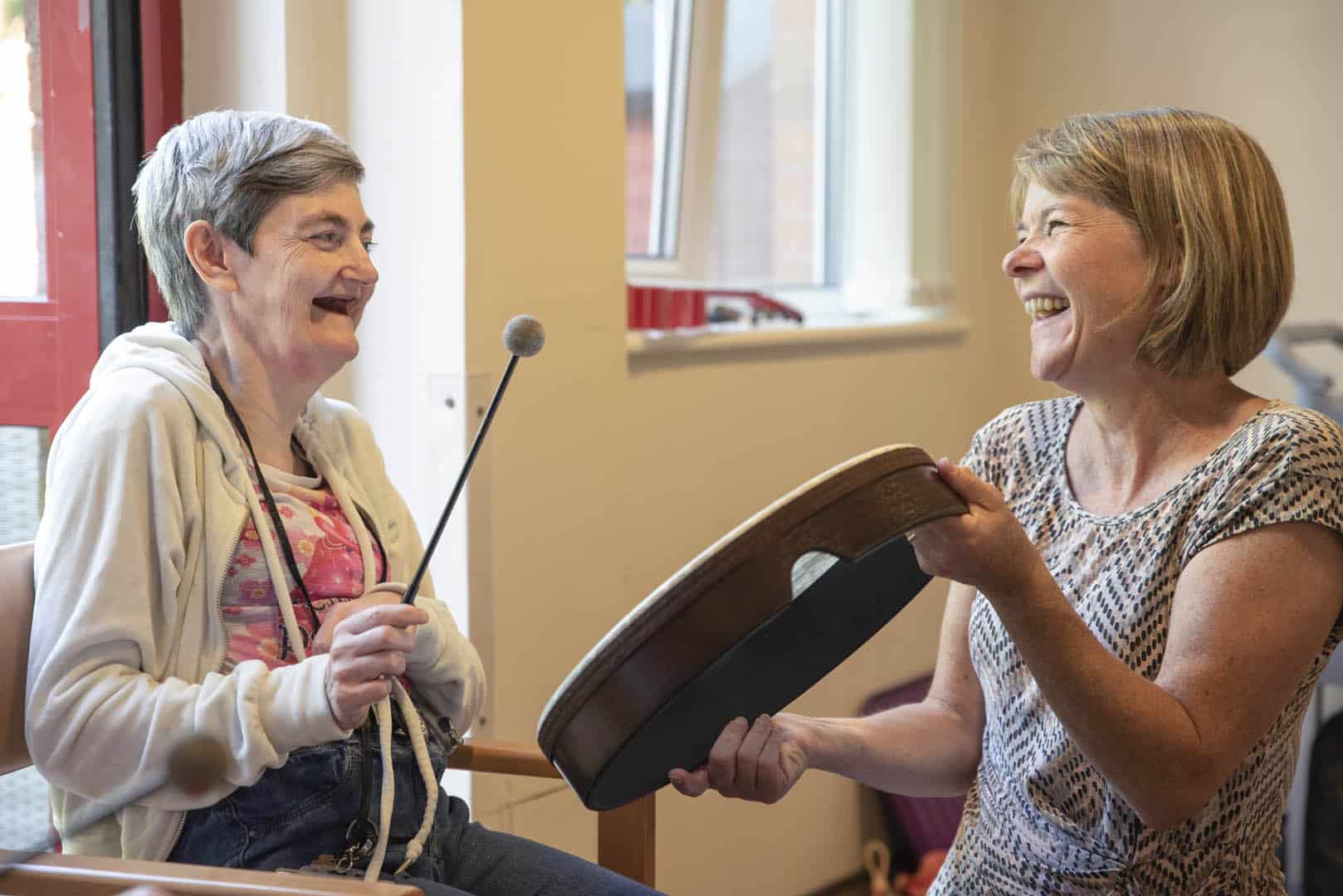
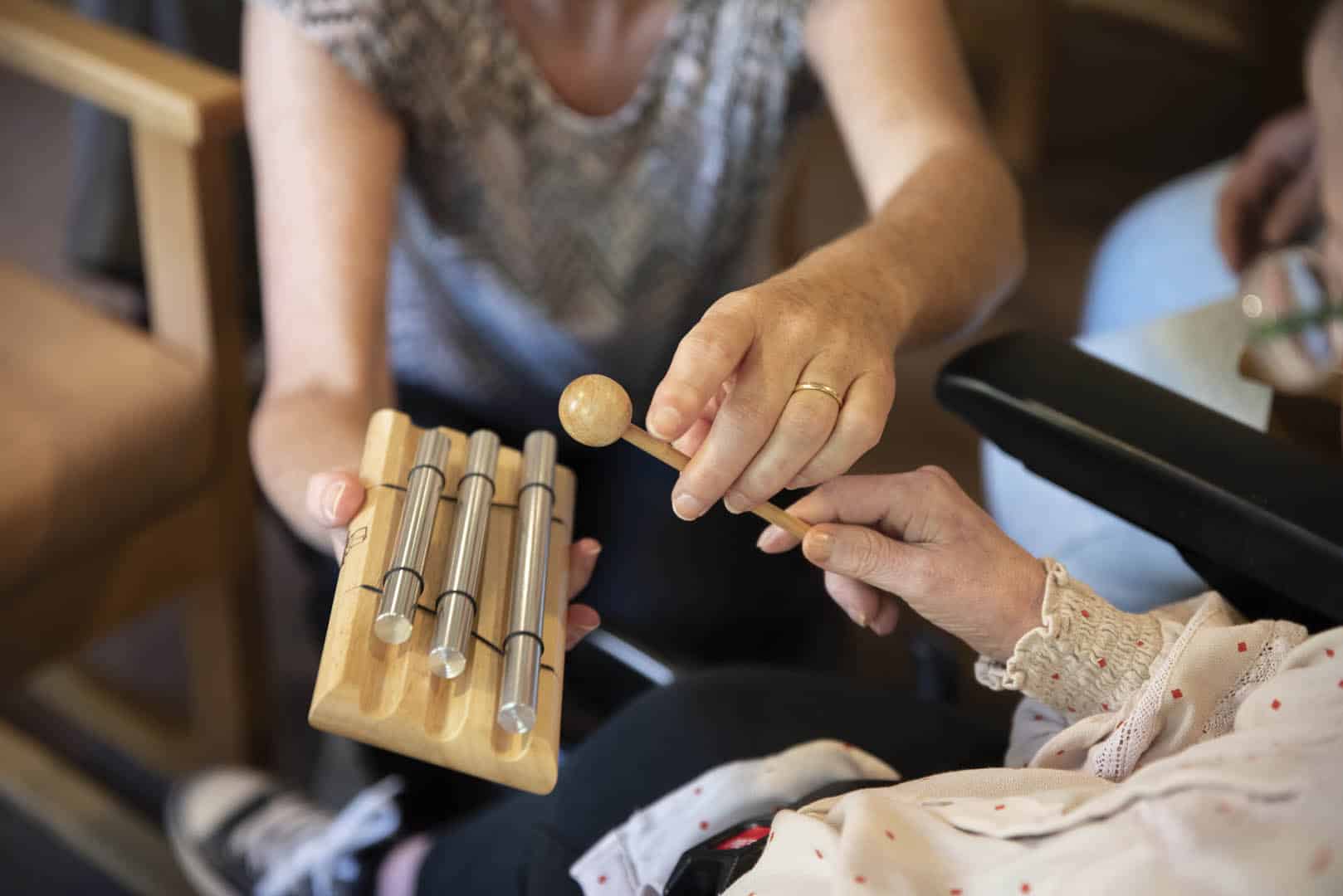
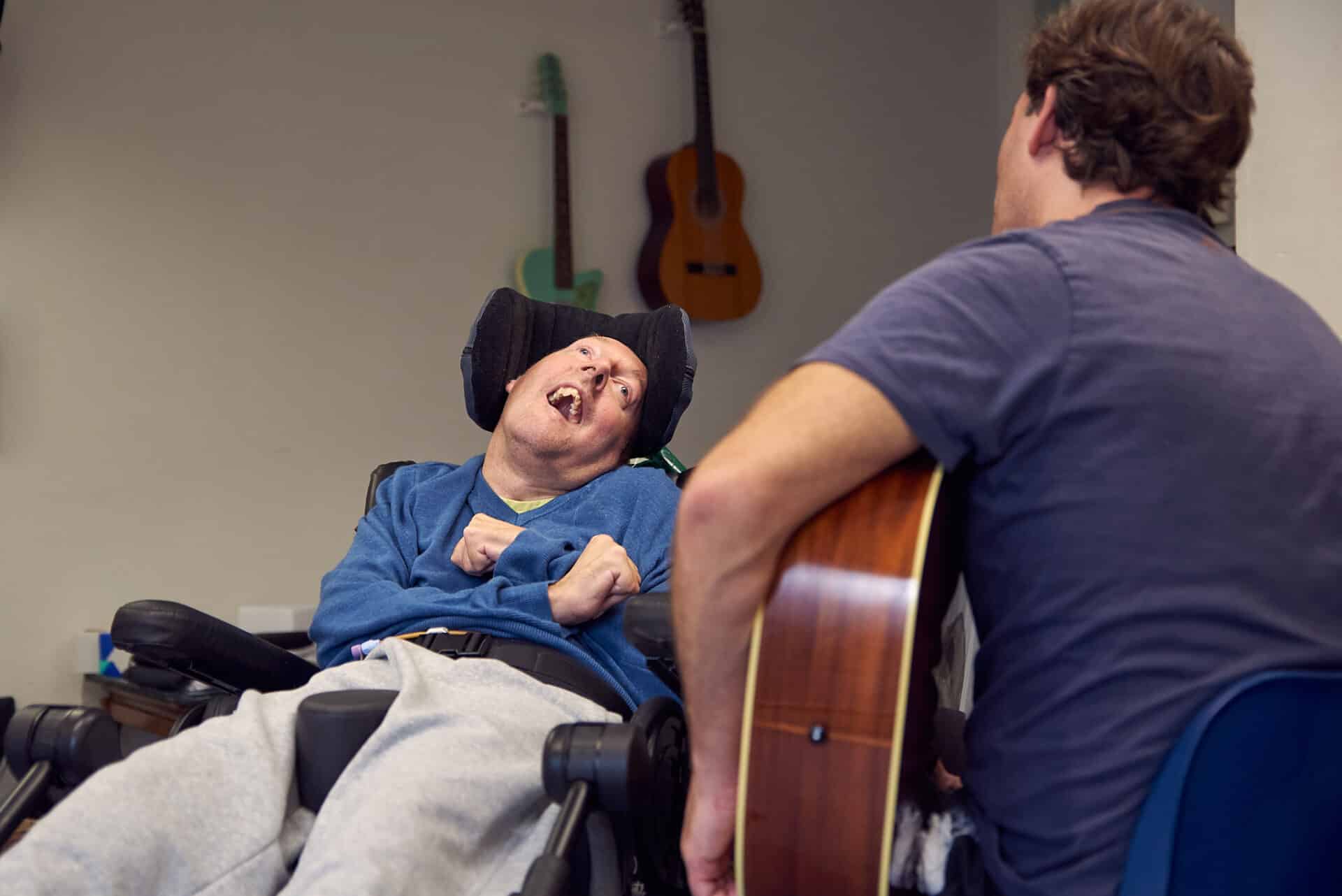
We've all felt music's potency — how it unlocks feelings and memories and brings us together. For some of the people we work with, music is their only way to communicate. No one is being taught, no one is being fixed. Therapist and client make music together as equals, responding to each other's cues. No two sessions are the same, because no two people are the same.
What we do
Six ways music changes lives.
01
Individual Therapy
One-to-one sessions built entirely around the person — their sounds, their rhythms, their way of connecting.
02
Therapy for Organisations
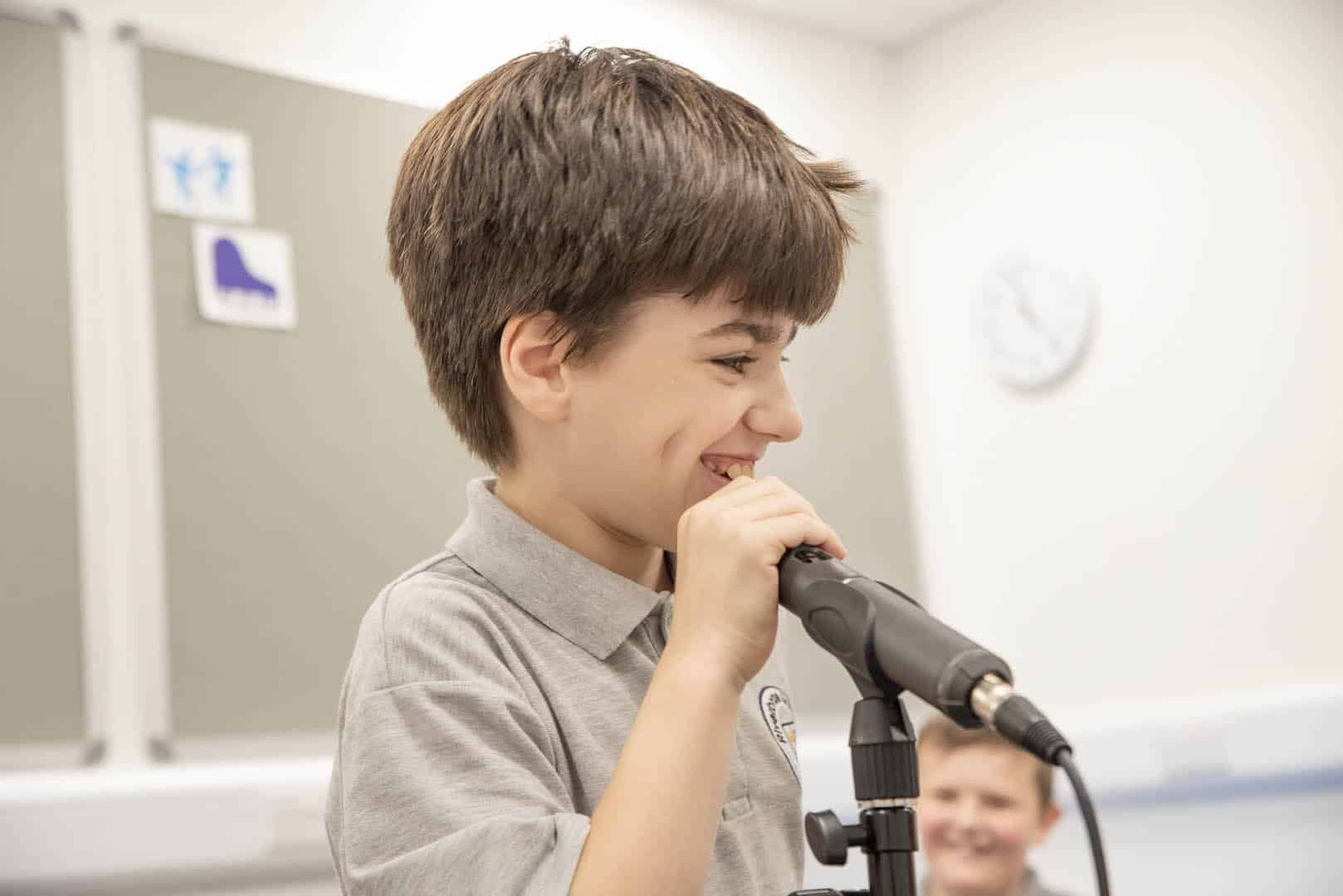
Highly-trained therapists working in SEND and SEMH schools, care homes, hospices and day centres.
03
Community Music
Community choirs and adult afternoon groups — music-making as a shared, social experience.
04
Education & Training
From short courses to the two-year Master of Music Therapy, validated by Goldsmiths, University of London.
05
Research
Research that increases the effectiveness of therapy and training — and deepens the whole field's understanding.
06
Events & Fundraising
From the O2 Silver Clef Awards to Legends of Football — the music industry's generosity funds our work.
Community choir — London
How it works
From enquiry to music.
01Enquire
Tell us about the person or organisation that could benefit.
02Meet your therapist
We match you with a therapist suited to your needs.
03Sessions begin
Regular sessions, in our centres or out in the community.
04Music made together
Therapist and client play as equals — every cue answered.
05Review & grow
Goals reviewed together as the relationship develops.
Partners, awards & training
Goldsmiths, University of LondonO2 Silver Clef AwardsMITS AwardLegends of FootballLondon CarolsHeadway East London
Our people
The humans behind the music.
SS
Sandra Schembri
Chief ExecutiveLeads the charity with one belief at the centre: music is a human right.
MT
Our Music Therapists
State-registeredHighly-trained therapists working across schools, care homes, hospices and centres.
TR
Trainers & Researchers
Goldsmiths-validatedThe team training tomorrow's therapists and pushing the field forward.
"No one is being taught, no one is being fixed. Therapist and client make music together as equals."
The Nordoff and Robbins approach
Stories
In their words.
★★★★★
"Music gave my son a way to reach us. The first time he played a rhythm back to his therapist, our whole family heard him speak."
Parent — individual therapy★★★★★
"Residents who barely speak will sing every word of a song from their twenties. Music therapy reaches parts of them nothing else can."
Activities manager — care home partner★★★★★
"The Master of Music Therapy changed the course of my life. Two years later I'm a qualified therapist, and I see the difference every day."
MMT graduate — London
Ways to give
We receive no government funding.
Every session is built on the generosity of people who share our mission. Choose a way to support:
£5
per month
- Helps fund session materials
- Instruments in reach
- Regular impact updates
£10
per month
- Part-funds a therapy session
- Invites to open evenings
- Stories from our centres
£25
per month
- Sponsors community groups
- Choir and afternoon sessions
- Behind-the-scenes events
More
Fundraise & partner
- Run, sing or bid at our events
- Charity partnerships
- Leave a legacy
Questions, answered
FAQ.
How do I apply for music therapy?
Individuals and organisations can both apply. Tell us about the person or setting, and we'll match you with a therapist and talk through timing, location and any costs before anything is confirmed.
Do you receive government funding?
No. We're reliant entirely on the generosity of people like you — donations, fundraising events, charity partnerships and legacies fund every session we deliver.
What actually happens in a session?
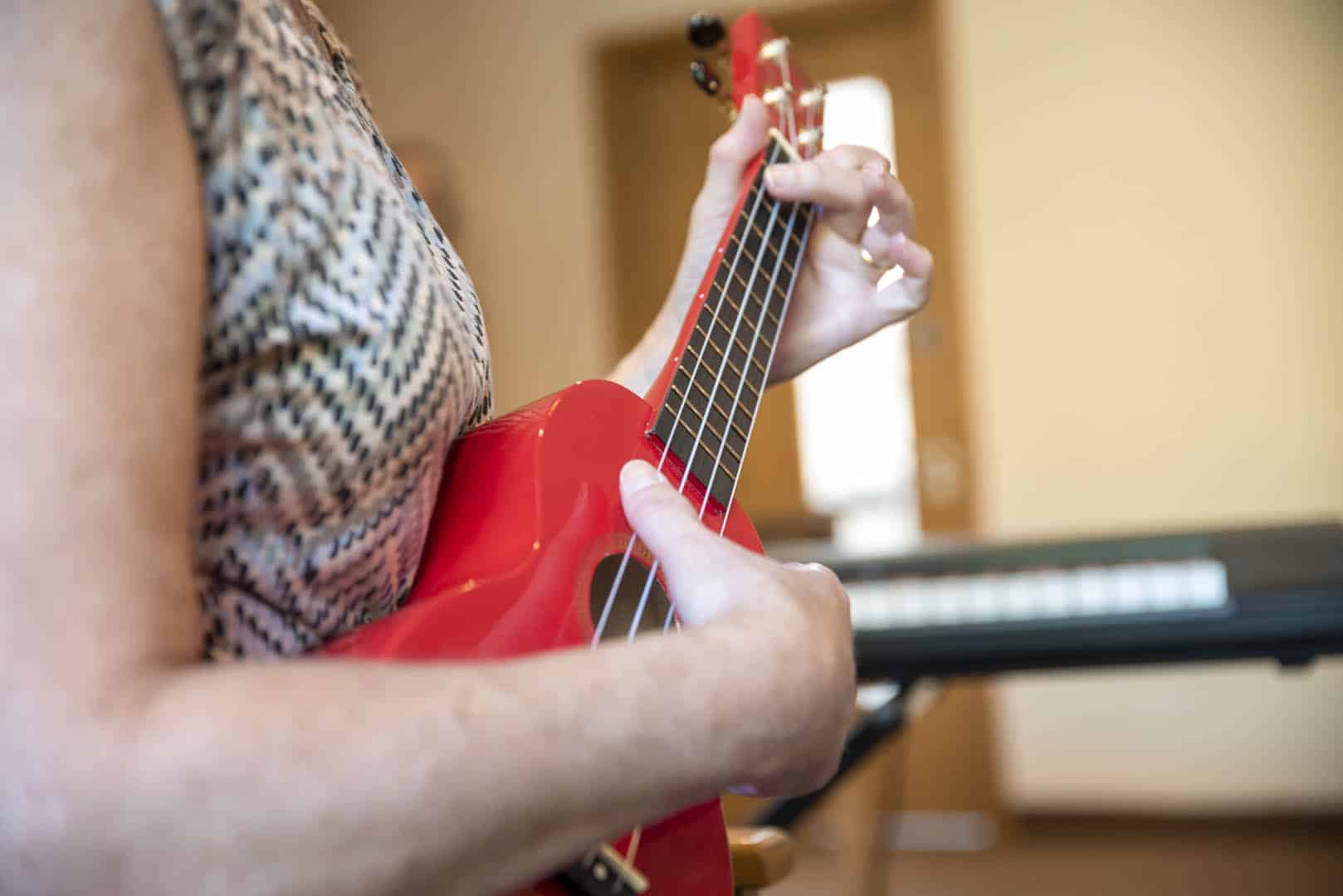
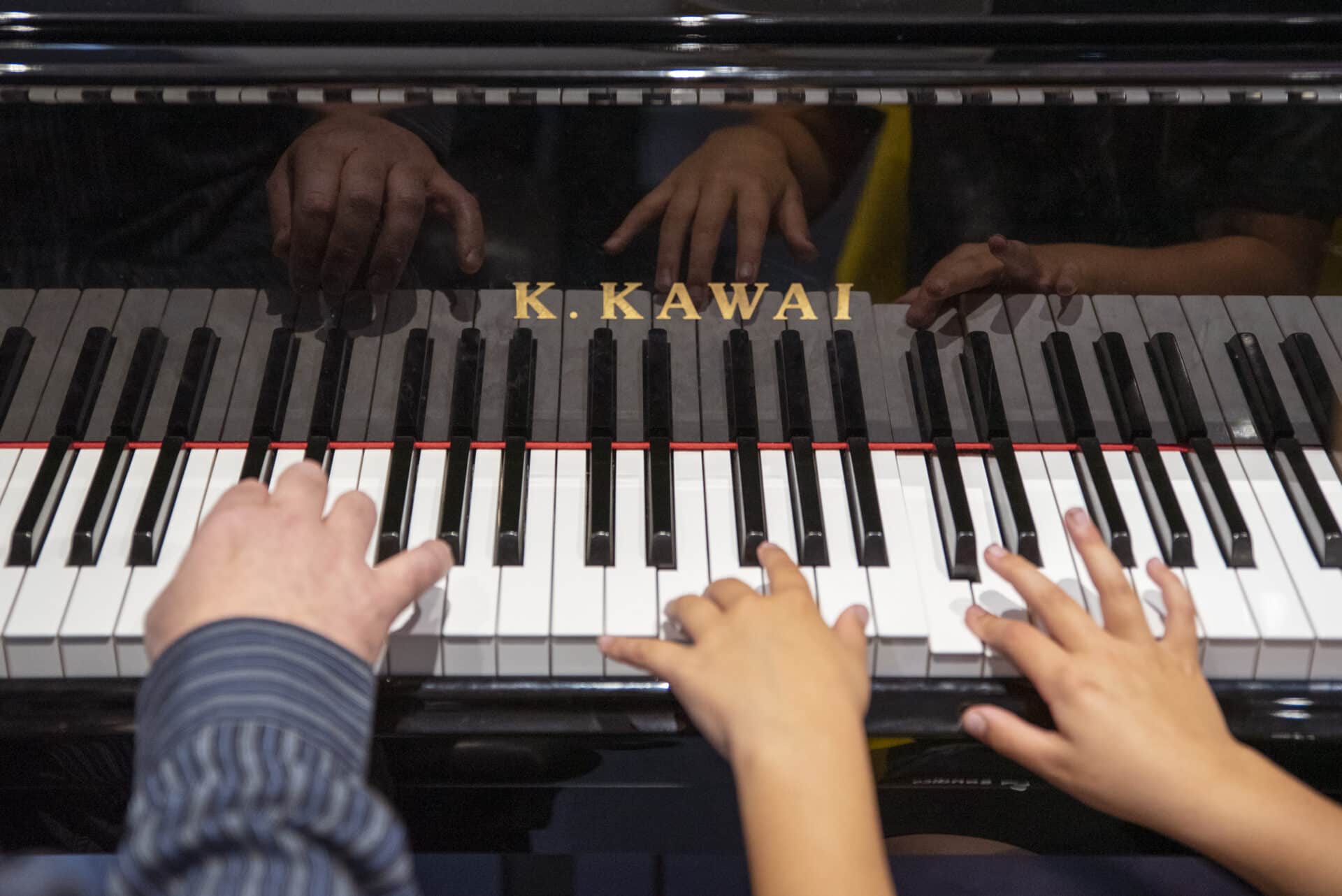
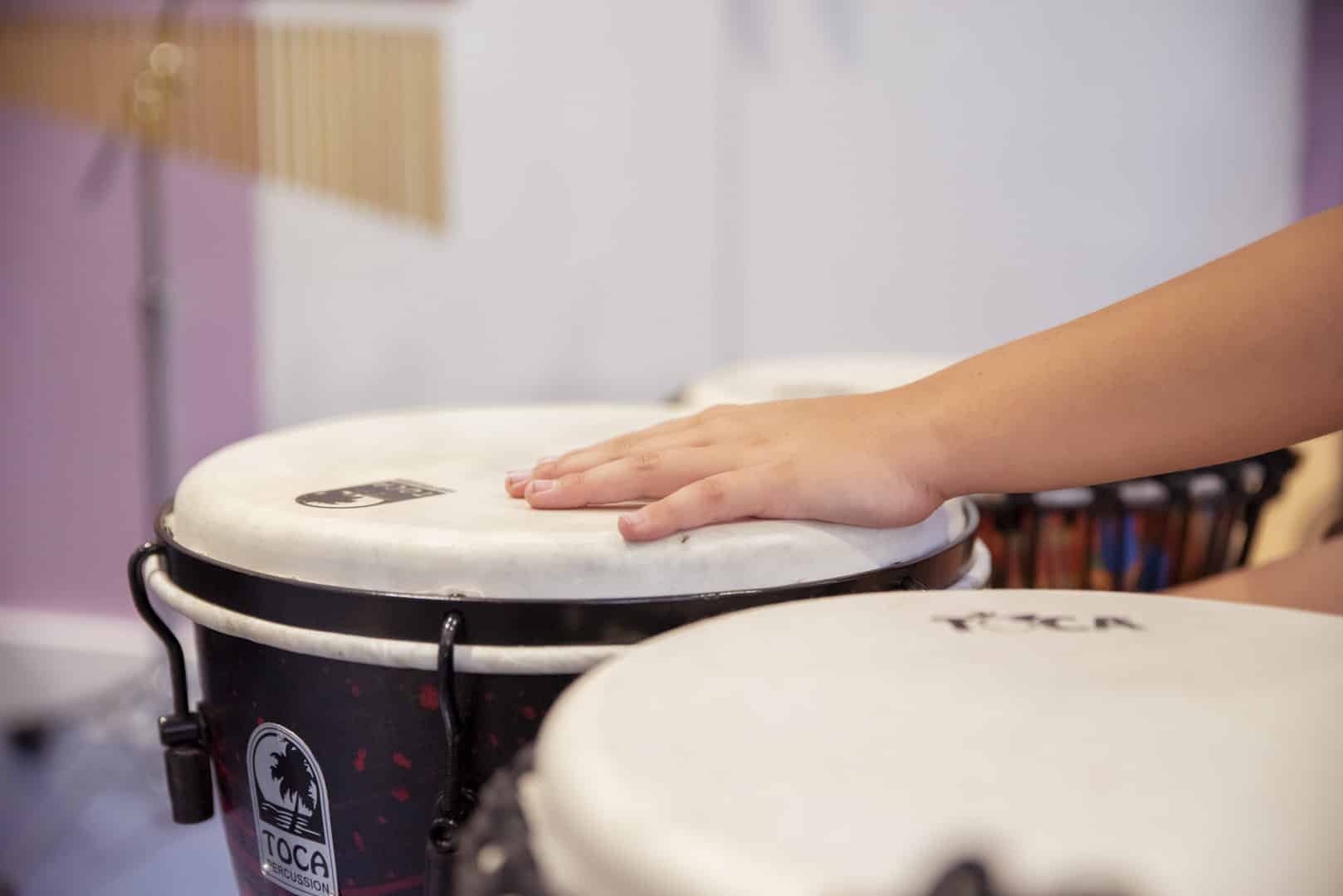
Therapist and client make music together — piano, voice, drums, harp, whatever invites a response. Cues are answered, rhythms are shared, and communication grows through the music itself.
Where do you work?
From our own centres in London, Manchester and Newcastle, and in partnership with schools, care homes, hospices and day centres across the UK.
How do I train as a music therapist?
Start with a short course, or apply for the two-year Master of Music Therapy, validated by Goldsmiths, University of London. We hold regular open evenings.
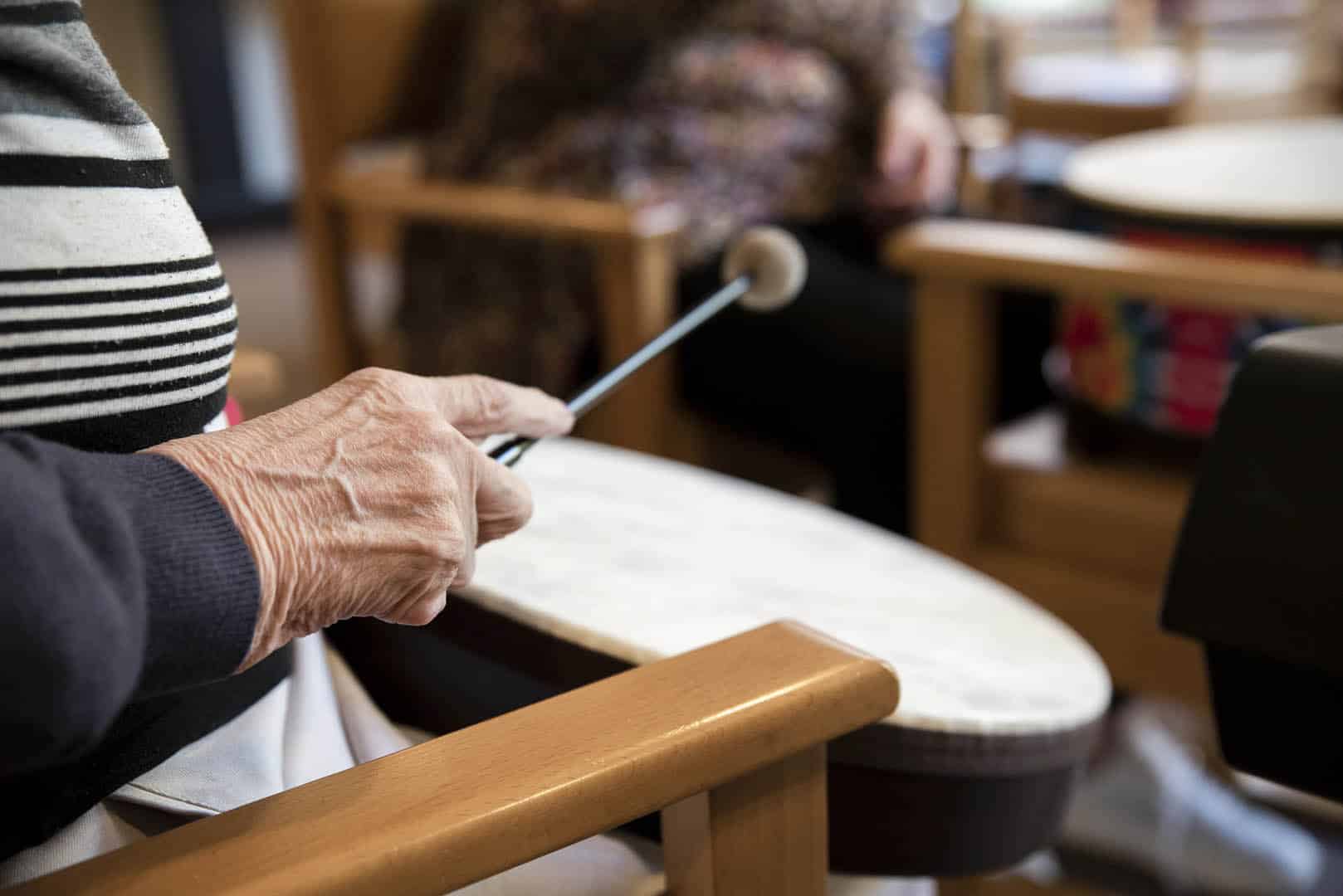
Watch a session come together
Music, in your inbox.
Stories from our centres, plus news of events and ways to get involved.
From the dementia info hub
Why music helps
- 91% of people living with dementia said music therapy improved their speech, language and communication.
- Music unlocks memories and feelings that everyday conversation can't reach.
What families can expect
- Sessions are led by the client — the therapist follows their cues.
- Familiar songs and shared rhythms build connection over time.
- No musical ability is needed. There is no wrong note.
Bring music therapy to your organisation.
SEND and SEMH schools, care homes, hospices and day centres — find out what therapy could look like for the people you support.
Make an enquiry