Music therapy

What is music therapy?

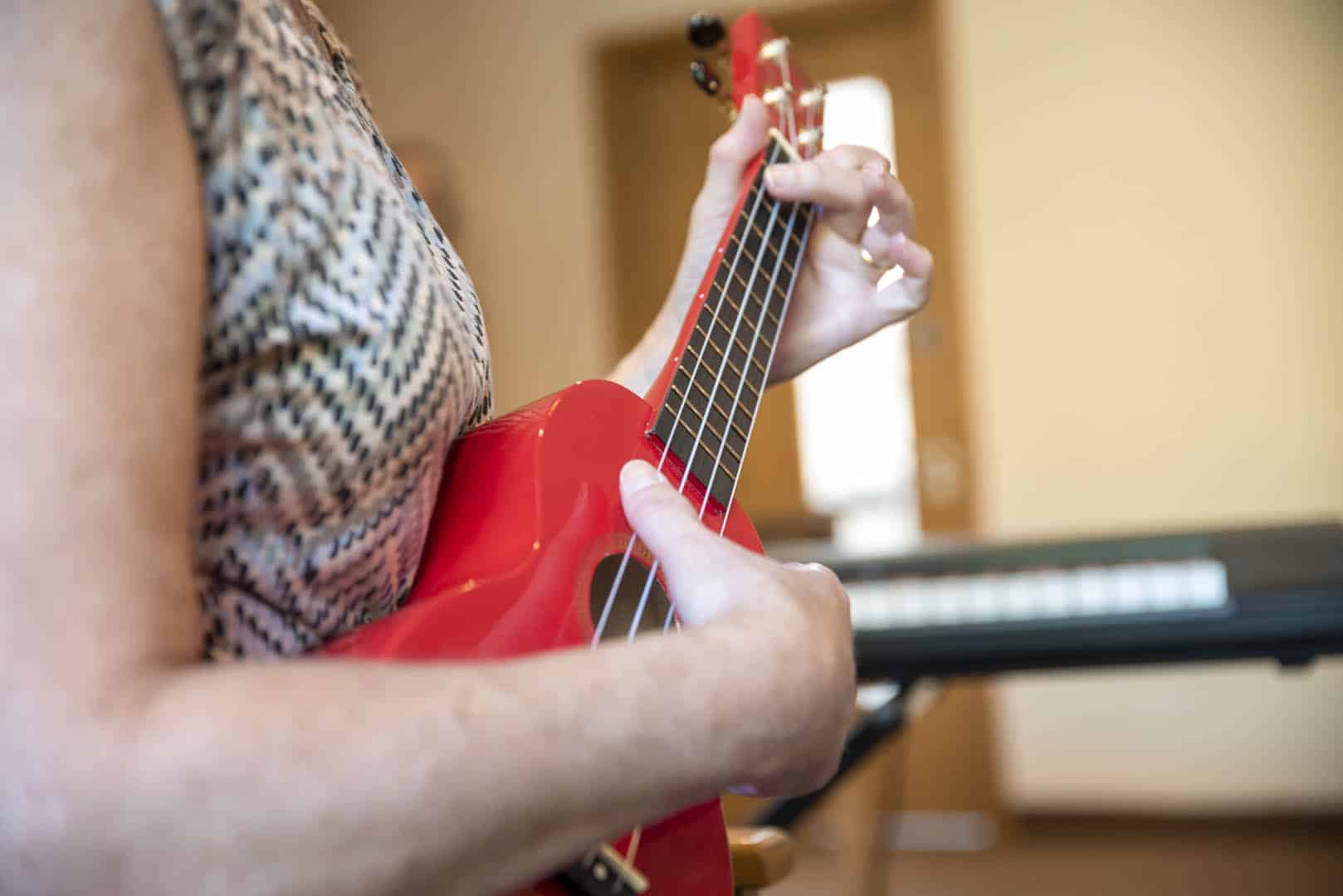
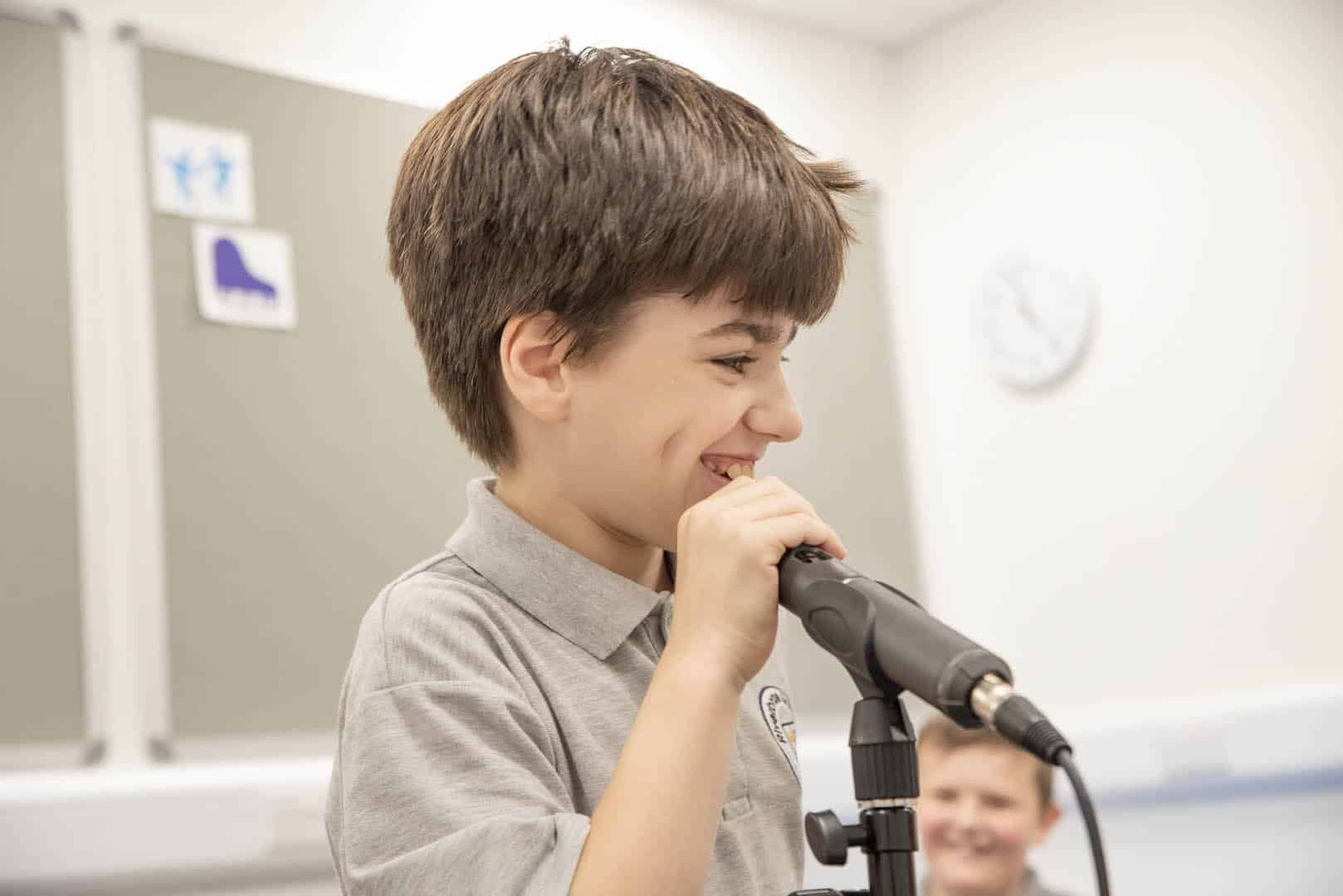
Working one-to-one or with small groups, our therapists create a platform for people to express themselves and share a connection.

Client and therapist making music at the piano

No one is being taught. No one is being fixed.

Therapist and client make music together as equals, responding to each other's cues. No two sessions are the same, because no two clients are the same. A session might involve piano, voice, drums or harp — whatever invites a response.

For some people, music is their only reliable way to communicate. Music therapy gives that communication a space, an instrument and a skilled partner.

Hands on harp strings during a therapy session

Who it's for

We work with children and adults across the UK — in SEND and SEMH schools, care homes, hospices, day centres and our own centres in London, Manchester and Newcastle.

Apply for music therapy

How it works

From enquiry to music.

01

Enquire

Tell us about the person or organisation.

02

Meet your therapist

Matched to your needs and setting.

03

Sessions begin

In our centres or in the community.

04

Review & grow

Goals reviewed as the bond develops.

"Music gave my son a way to reach us. Our whole family heard him speak."
Parent — individual therapy

Questions, answered

FAQ.

Do I need musical ability?

No. There is no wrong note. The therapist works with whatever you bring — a hum, a tap, a glance.

How long are sessions?

Typically 30 to 45 minutes, weekly. We'll talk through what fits before anything is confirmed.

Can sessions happen at our setting?

Yes — we work in schools, care homes, hospices and day centres across the UK, as well as in our own centres.

Bring music therapy to your organisation.

Find out what therapy could look like for the people you support.

Make an enquiry